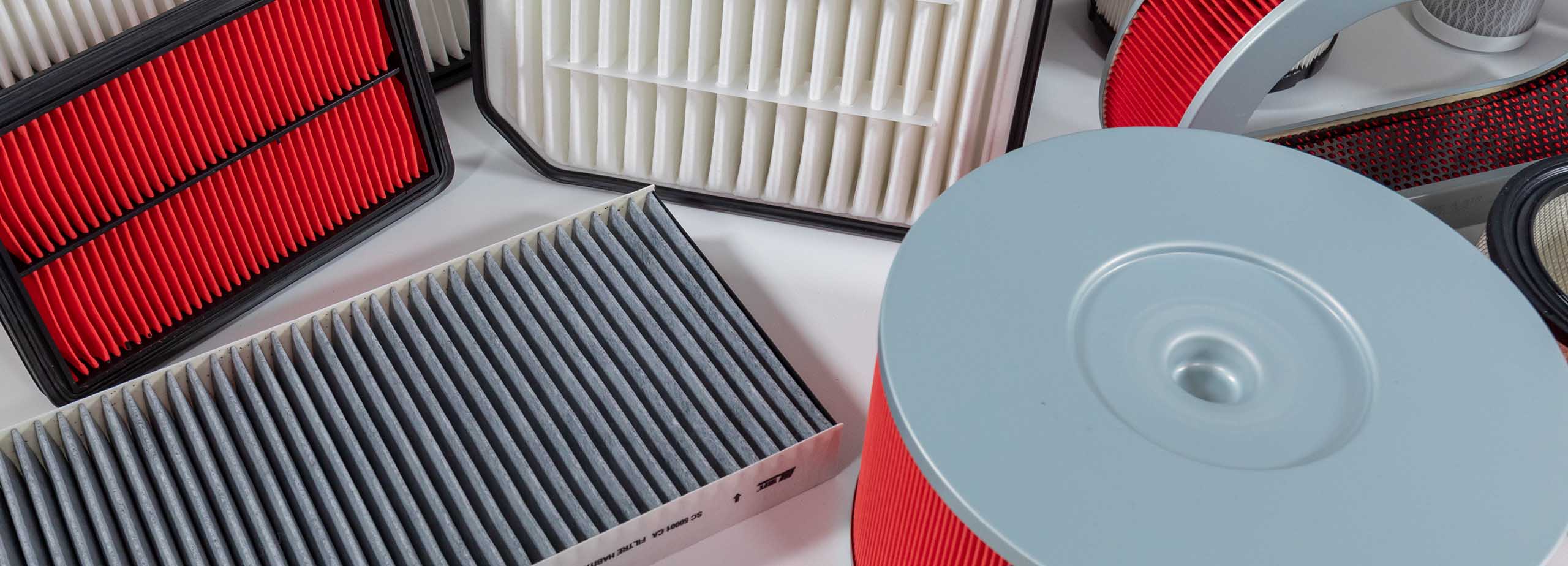
Filtration is an omnipresent part of our daily lives. It is used in engine protection, industrial processes, air purification, water treatment, food production, etc. Its main role is to retain undesirable contaminants in order to protect equipment, guarantee the quality of finished products and ensure personal safety. The nature of these contaminants varies greatly depending on the application: in hydraulics, we often encounter water, metal particles or residues linked to the degradation of fluids and wear and tear of moving parts in the circuit; in compressed air, they are more likely to be oil mists, dust and humidity; in water treatment, they are suspended matter or chemical substances. These are just a few examples: each process can generate or be exposed to specific contaminants. These differences mean that a filter media must be chosen that is adapted to the fluid to be treated, the type of contaminants present and the conditions of use.
Filtration and filter media: definitions and principles
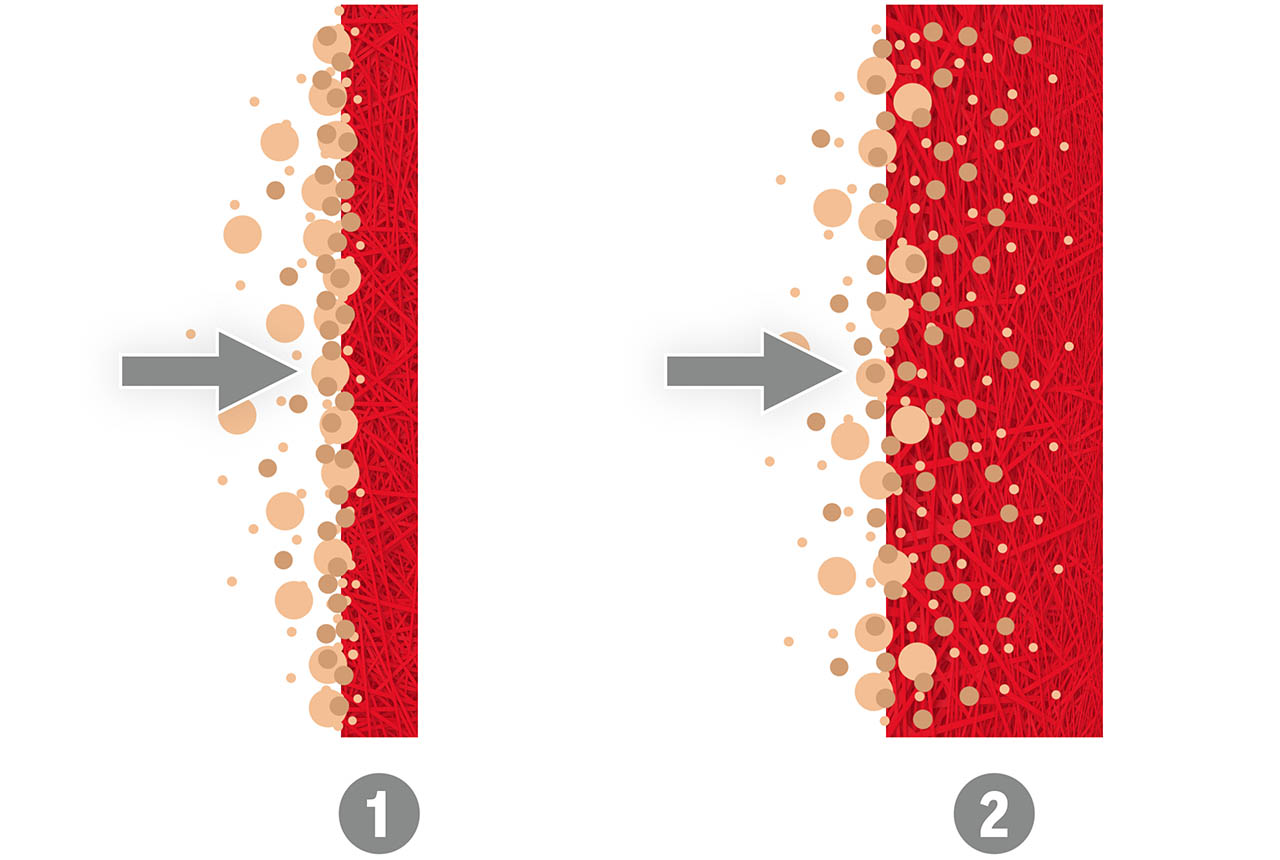
Filtration is a process used to separate two or more elements from a heterogeneous mixture. There are several filtration methods: mechanical (passage through a porous material), physical (centrifugation, decantation) or chemical (adsorption, ion exchange). Each method meets specific needs depending on the nature of the fluid, the characteristics of the contaminants and the requirements of the process. Among these approaches, mechanical filtration plays a central role in many sectors. It involves passing the fluid through a filter medium whose structure is designed to trap contaminants according to their size or physical properties. Depending on the design of the media, impurities can be retained:
1.Surface: The particles are retained on the surface of the media, which acts like a sieve with calibrated pores. The larger the surface area, the greater the initial retention capacity. This process is suitable for fluids with a low load or containing particles of uniform size.
2.At depth: the fluid passes through a three-dimensional medium, where the particles are trapped progressively at different levels in the thickness of the material, depending on their size. This method is particularly effective for highly charged fluids or fluids containing contaminants of various sizes. In some cases, the media is designed with gradual porosity, i.e. larger pores at the surface to trap larger particles, then finer pores towards the interior to retain smaller particles. This "progressive filter" arrangement distributes the contaminant load throughout the thickness of the media, improving retention capacity and delaying clogging.
Whether surface or depth filtration is involved, the performance of a filter medium depends above all on its characteristics, which determine its compatibility with the intended application. To choose the most suitable solution, it is essential to examine these characteristics.
Criteria for choosing media
Several parameters have a direct influence on the performance and lifespan of filter media.
The material and its physical and chemical properties.
Structure, which determines how particles are retained.
Surface treatments, which modify the interaction of the media with certain elements.
Chemical, thermal and mechanical compatibility, essential to withstand the stresses of the process.
The filtration threshold, corresponding to the minimum size of contaminant that a filter medium can retain, generally expressed in micrometres (µm).
The quantity of contaminants to be retained.
International standards and requirements, which sometimes require the use of certified media depending on the sector. These regulations guarantee the safety, quality and conformity of processes, and increasingly include criteria linked to sustainable development.
1. The material
Not all materials are suitable for all applications. Their nature determines the performance of the filter media, as well as its advantages and limitations of use.
Cellulosic fibers
Description: Plant fibres derived from wood or other cellulose-rich plants. They are transformed into filter paper for surface filtration, mainly used in pleated form in cartridges, and sometimes in flat sheets integrated into filter plates, particularly in the food and wine industries.
Advantages: Economical, biodegradable, good compatibility with non-corrosive liquids.
Limitations: Sensitivity to prolonged humidity, low resistance to aggressive chemicals and high temperatures.
Synthetic fibers
Description: Made from polymers such as polypropylene, polyester or nylon. The fibres can be arranged in different ways: woven, non-woven, thick felts or meltblown microfibres. Surface treatments can also be applied to improve the capture of contaminants.
Advantages: Wide range of chemical compatibility, adaptable to various processes (treatment, diameters), good retention capacity.
Limitations: Thermal sensitivity depending on the polymer, average mechanical durability.
Glass fibers
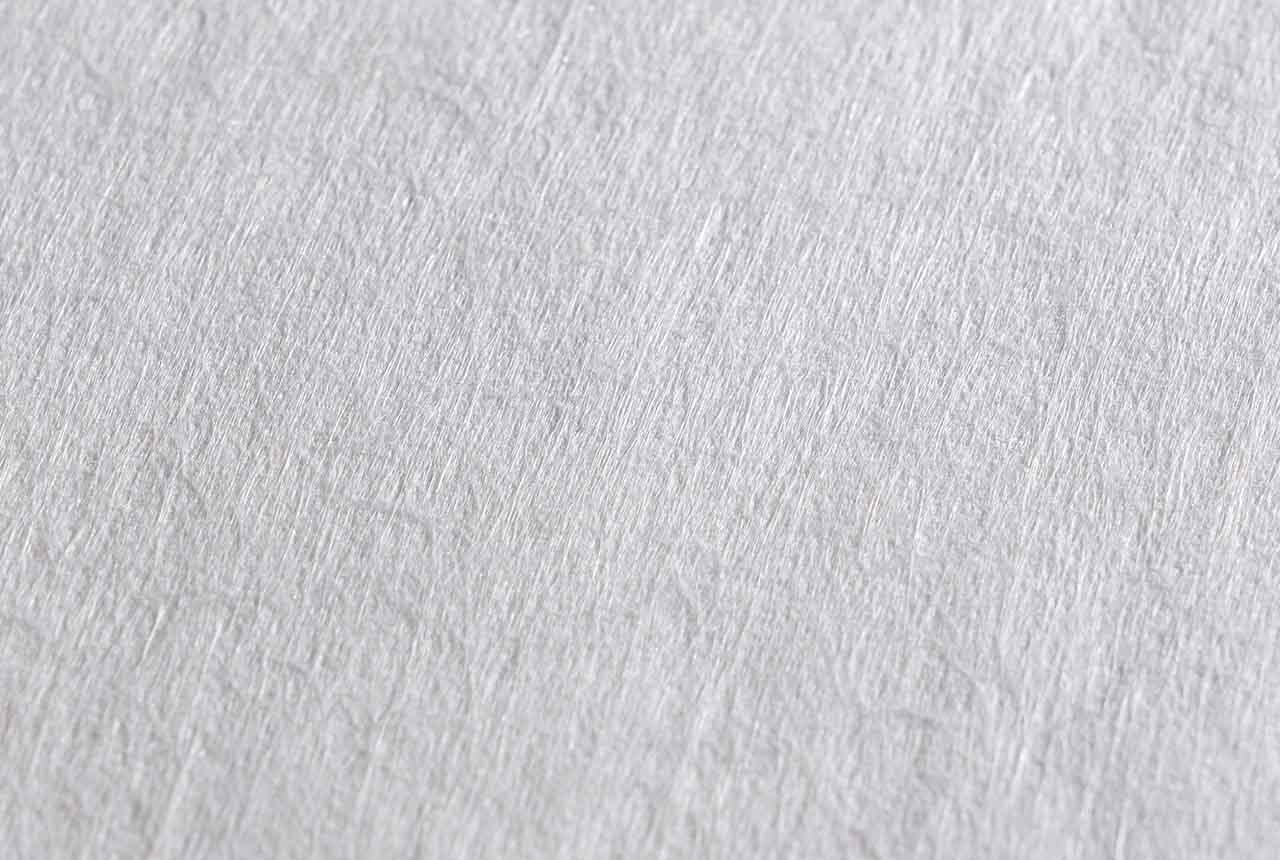
Description: Very fine glass fibers obtained by heating silica sand and various mineral additives until they melt, then stretching or blowing the molten glass into extremely fine filaments. These fibres are then arranged in a non-woven fashion to form a kind of "filter paper". They are widely used in high-efficiency air filters (such as HEPA), because their very small diameter enables even microscopic particles to be trapped.
Advantages: Excellent filtration fineness, high thermal and chemical stability
Limitations: Fragile and brittle material.
Polymeric foams
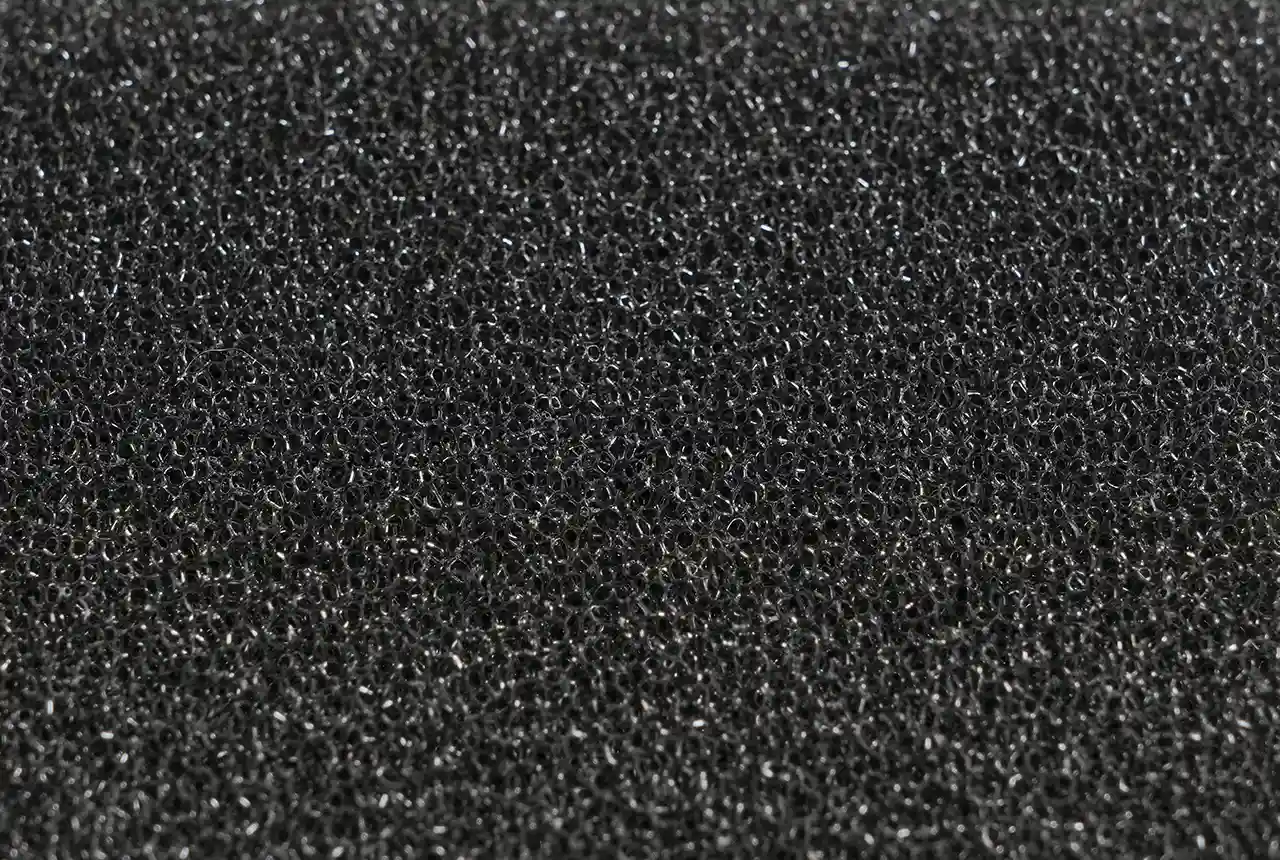
Description: Open-cell foam made from polymers. Their structure resembles a sponge, with a network of interconnected pores. The size of these pores is defined by the PPI ("pores per inch") and can be adjusted to obtain coarser or finer filtration.
Advantages: Low pressure drop (= good flow), flexible and lightweight, washable and reusable, modular (density, shape).
Limitations: Limited filtration fineness, low mechanical resistance, low chemical stability depending on polymer.
Metallic materials
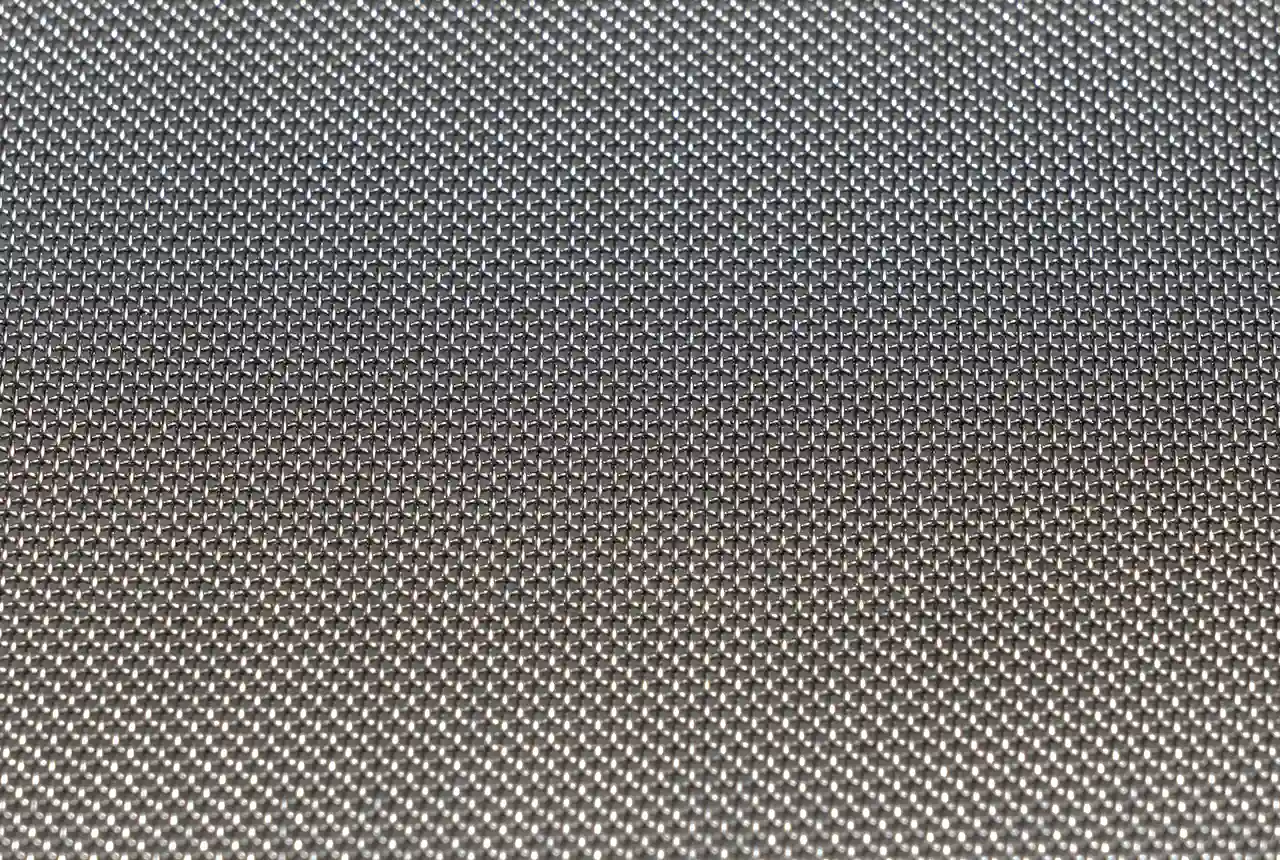
Description: Available in a variety of forms: woven mesh, entangled metal fibres or sintered metal powders to create a porous structure. Stainless steel is the most common, but other alloys (nickel, titanium) are used for highly corrosive or hot environments. They are designed to withstand extreme conditions while maintaining their filtering properties.
Advantages: mechanical, chemical and thermal resistance, regenerable, long service life.
Limitations: High cost, heavier than other materials.
Adsorbants
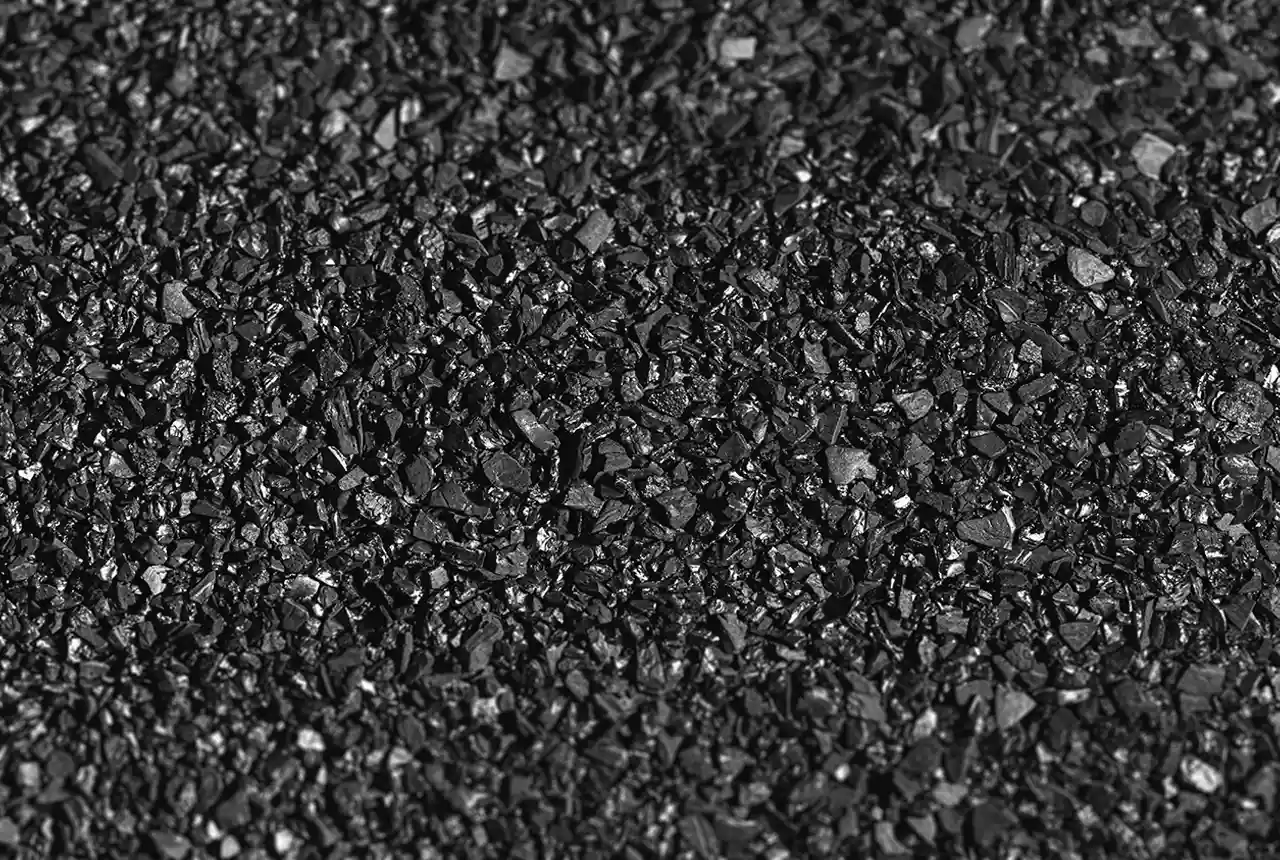
Description: Highly porous materials (such as activated carbon, zeolites or alumina) that not only physically block contaminants, but also attract them, then capture them in their pores (adsorption phenomenon). Thanks to their specific adsorbent surface (up to several m² per gram), they can trap gases, odours or chemical pollutants dissolved in water or air.
Benefits: Effective removal of gases, odours and micropollutants, very high adsorption capacity.
Limitations: Limited capacity, sensitive to pH/temperature.
The arrangement of a media's fibres, layers or pores directly influences the way it retains contaminants and its overall performance.
Woven/non-woven
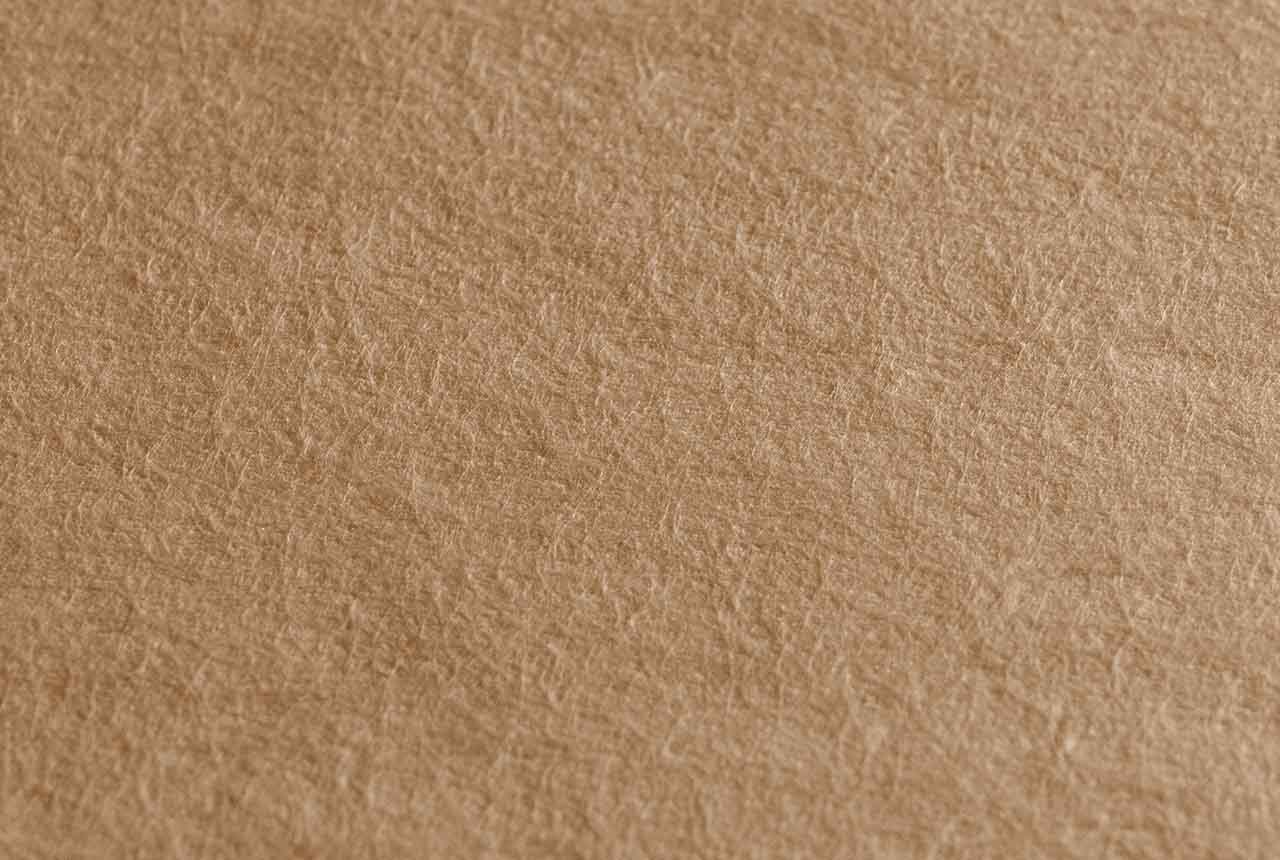
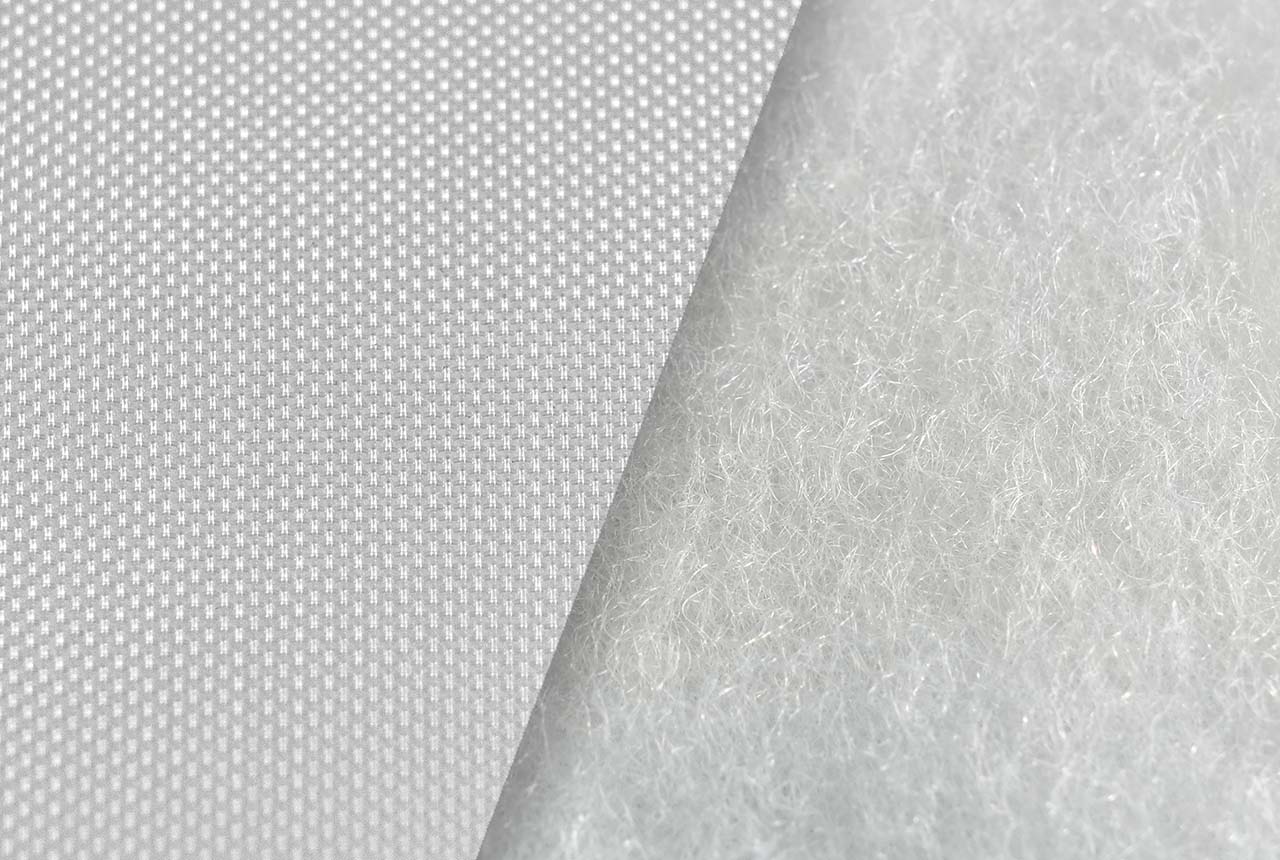
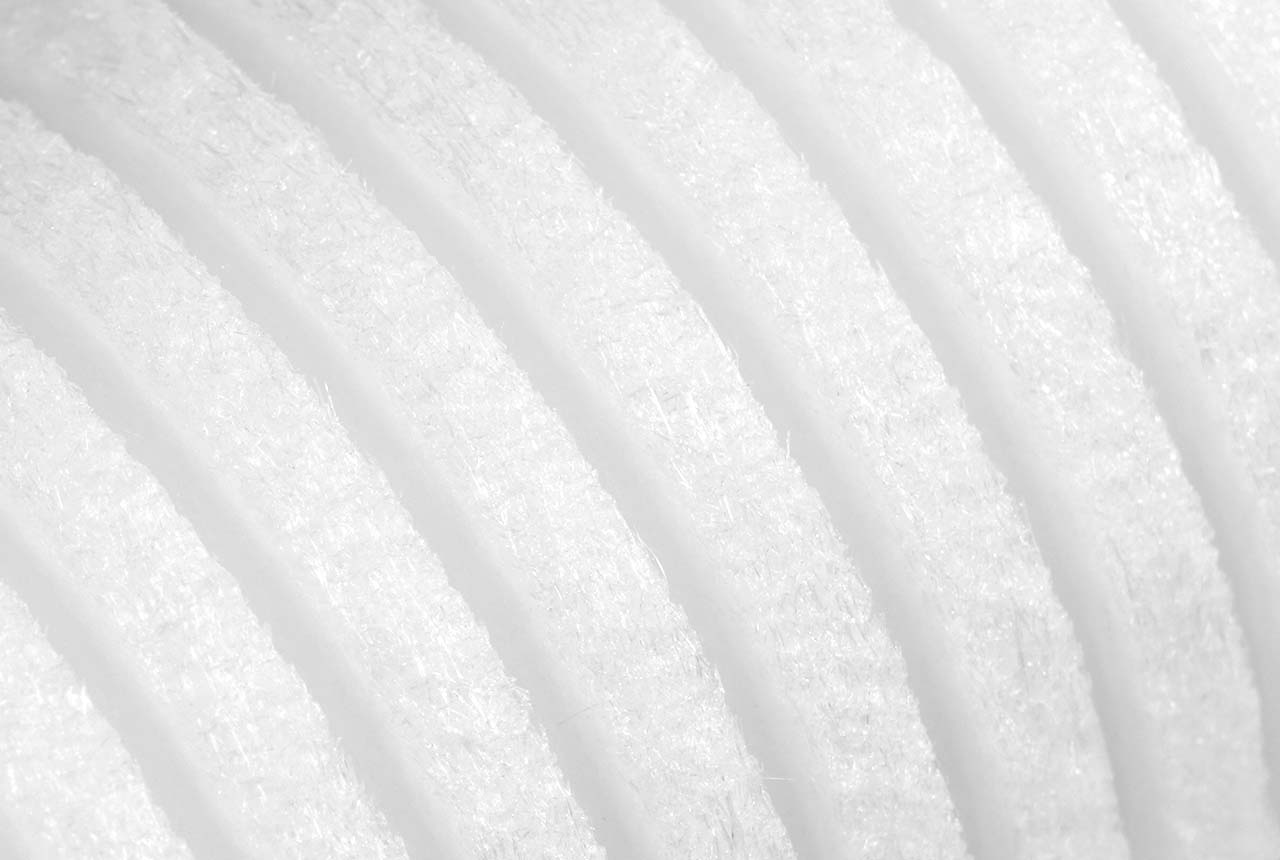
Woven media take the form of regular meshes of crossed threads, offering high mechanical strength and very regular pores that enable precise filtration, but limit depth retention. Non-woven media, on the other hand, are made up of randomly arranged fibres, forming a porous and irregular structure that favours deep filtration, with high efficiency on fine particles and good retention power.
Sintered
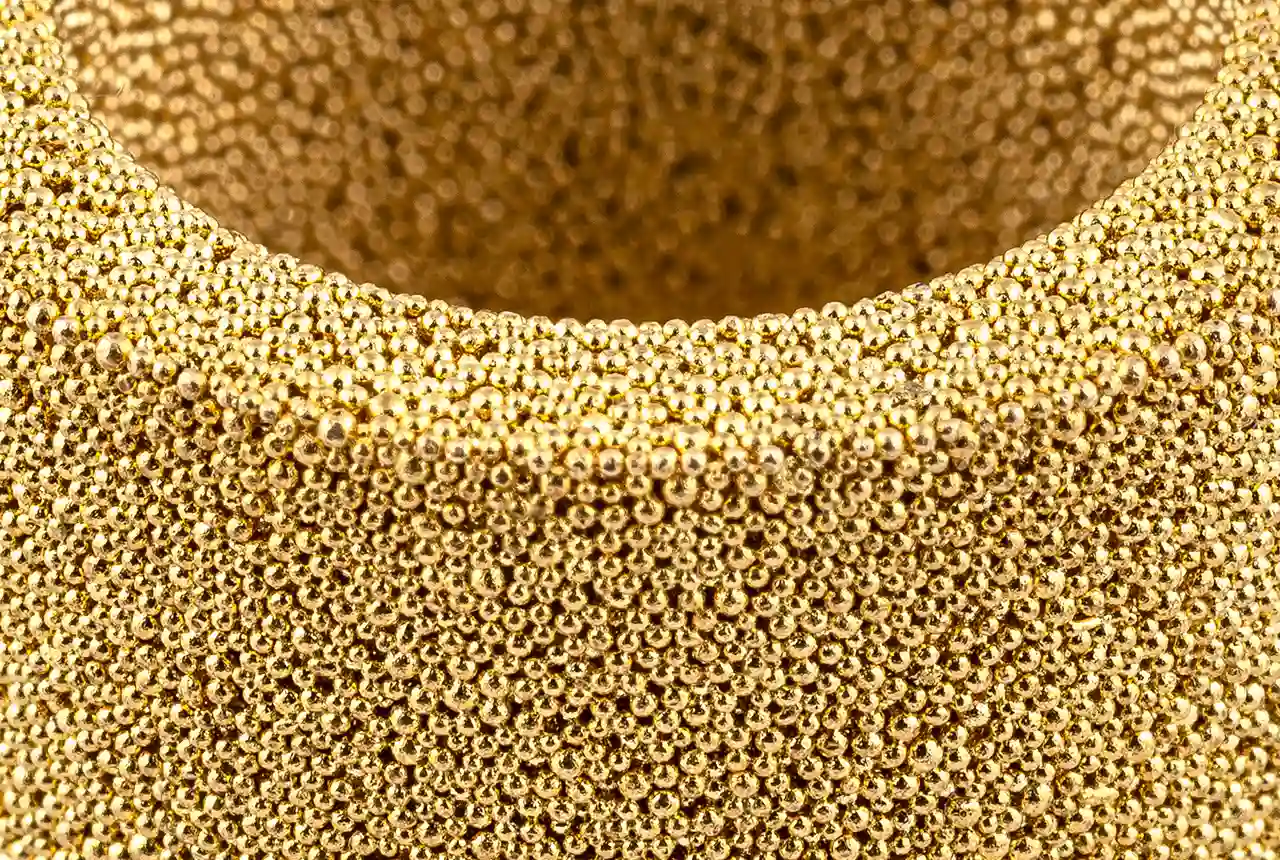
Particles (metal, plastic or ceramic) fused at high temperature to form a rigid, porous structure, suitable for applications requiring high mechanical, thermal and chemical resistance.
Pleated
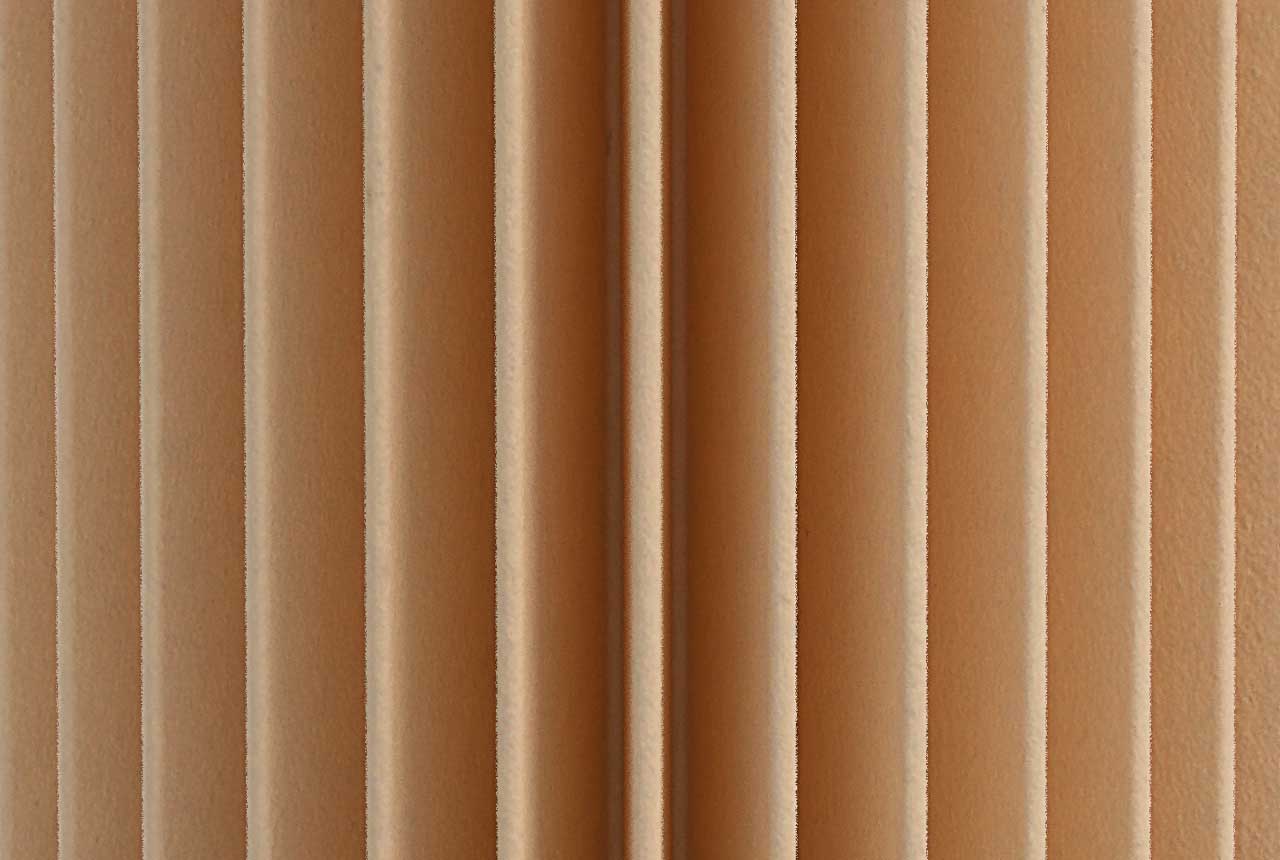
Media folded like an accordion, multiplying the filtering surface without increasing the overall dimensions. Commonly used in filtration, this configuration increases capture capacity while maintaining a reasonable pressure drop.
Coiled (or wound)
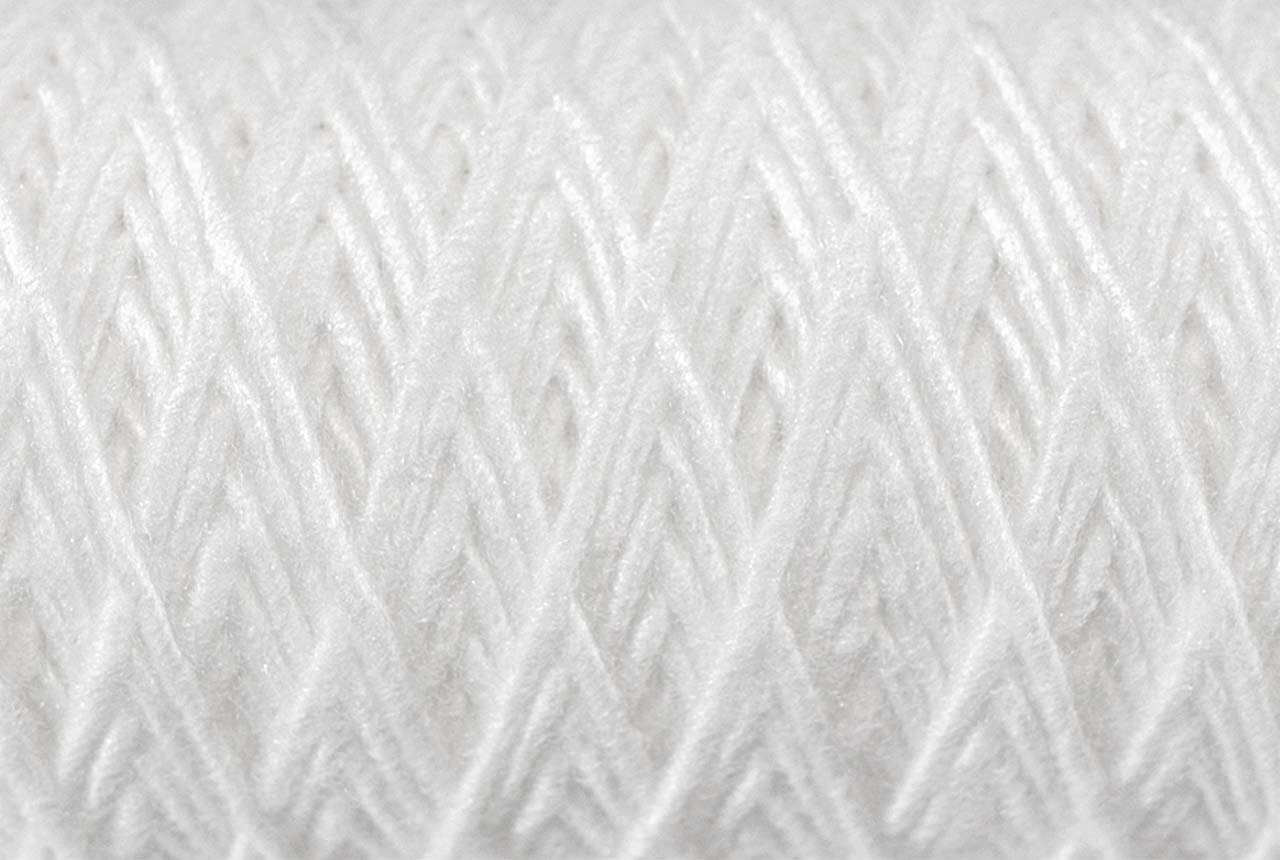
A wound filter is made up of polymeric fibres wound spirally around a cylindrical support, giving it a "spool" appearance. The fibres are arranged in such a way as to create a gradual density: the pores are wider on the outside, which traps the larger particles as they enter, then narrow towards the centre to trap the finer particles. This design ensures deep filtration and progressive capture of impurities.
Extruded
An extruded cartridge is made up of polymer fibres. These are bonded together by heat, forming a compact, homogeneous layer. As with wound filters, the fibres have a gradual density that helps to retain particles of various sizes: coarse on the outside, fine towards the centre. This ensures in-depth filtration.
“💡 Some structures can be combined to optimise performance. For example, a woven media can be pleated to increase the filtering surface area, or a non-woven media can be integrated into a multi-layer configuration to combine different levels of filtration.“
///
3. Surface properties
The surface properties of a filter media can have various origins: some are directly linked to the material, others result from chemical treatments applied to the surface, and still others are the result of material modifications such as the addition of a specific component. These approaches make it possible to adapt the media to particular environments and specific needs.
Some surfaces interact differently with water and oils: they may repel one but not the other, or they may repel both. These behaviours, whether natural or obtained by treatment, determine the adaptation of a filter medium to its environment.
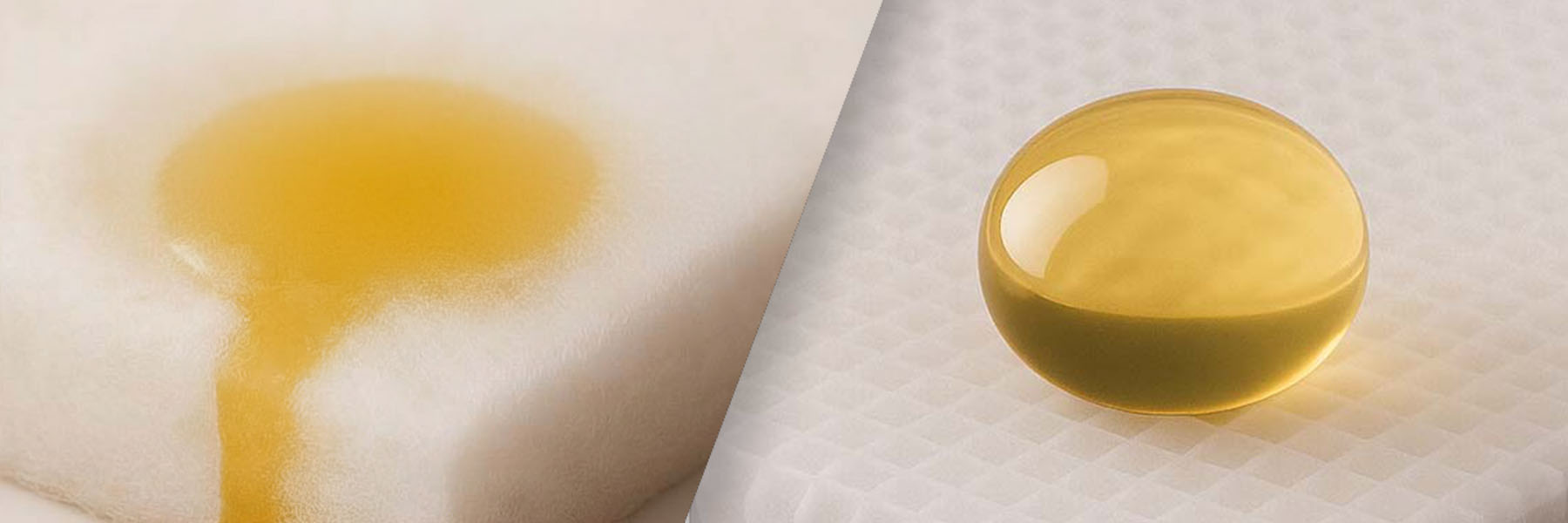
Hydrophilic / Hydrophobic: A hydrophilic medium easily attracts and retains water. This is the case with materials such as cellulose, whose chemical structure encourages moisture to adhere. Some media can also be modified by adding a super-absorbent polymer which, on contact with water, swells and turns into a gel, trapping the moisture. Conversely, a hydrophobic media repels water: droplets bead up and remain on the surface without penetrating. Polymers are naturally hydrophobic, but this behaviour can also be achieved by surface treatment applied to other materials.
Oleophilic / Oleophobic: An oleophilic media attracts oils and hydrocarbons, which spread and impregnate its fibres easily. This is the case with polypropylene (PP), used for example in marine absorbents, because it repels water (hydrophobic) while effectively capturing oils. Conversely, oleophobic media repel oils: the droplets remain spherical and roll over the surface without impregnating it. This property is rare in nature, but exists in certain polymers such as PTFE (Teflon). It can also be obtained by specific surface treatments, used in particular to prevent clogging of filters exposed to greasy mists in the food industry or compressed air systems.
These surface properties are exploited in coalescing media, designed to separate two immiscible fluids such as water and oil, or air and oil mist. Their treated fibres encourage the adhesion of fine droplets that slide down the fibres, gather and grow until they form heavier droplets, which detach and fall by gravity.
⚡Antistatic
Antistatic media limits the build-up of static electricity on its surface, reducing the risk of sparks and dust explosions. This property is achieved by incorporating conductive fibres (metallic or carbon) or by applying a conductive coating. These elements ensure that electrostatic charges are conducted to earth, where they are safely dissipated, preventing them from accumulating in the media. This type of media is essential in sensitive environments classified as ATEX, where electrostatic energy must remain below the threshold that could trigger an explosion. They can be found in many sectors: wood, food processing, chemicals, pharmaceuticals and metallurgy. This property is also increasingly used in hydraulics.
4. Chemical, thermal and mechanical compatibility
A filtrant must withstand the chemical, thermal and mechanical stresses of the environment in which it is used.
Chemical compatibility refers to the material's ability to withstand the fluid and its contaminants (water, acids, solvents, oils, etc.) without degrading or releasing undesirable substances.
Thermal resistance refers to a medium's ability to retain its properties and structure under the effect of heat: some polymers remain stable up to 120°C, while metal alloys can exceed 500°C.
Mechanical strength refers to resistance to pressure, load variations, abrasion, vibration and fatigue due to repeated cycles.
The joint assessment of these three parameters is essential to guarantee the filtability, performance and longevity of the filtration system.
How do you assess the performance of filter media?
Filtration threshold and efficiency
The performance of a filter medium depends mainly on two parameters:
The filtration threshold (or filtration fineness), which defines the minimum size of particles retained. It is expressed in microns (µm).
The efficiency rate, which expresses the proportion of particles effectively stopped by the media, a key indicator of its actual performance.
These two criteria have a direct influence on the system's pressure drop, i.e. the pressure difference measured between the upstream and downstream sides of the filter. It reflects the resistance that the media opposes to the passage of the fluid and increases progressively with clogging.
Beta ratio
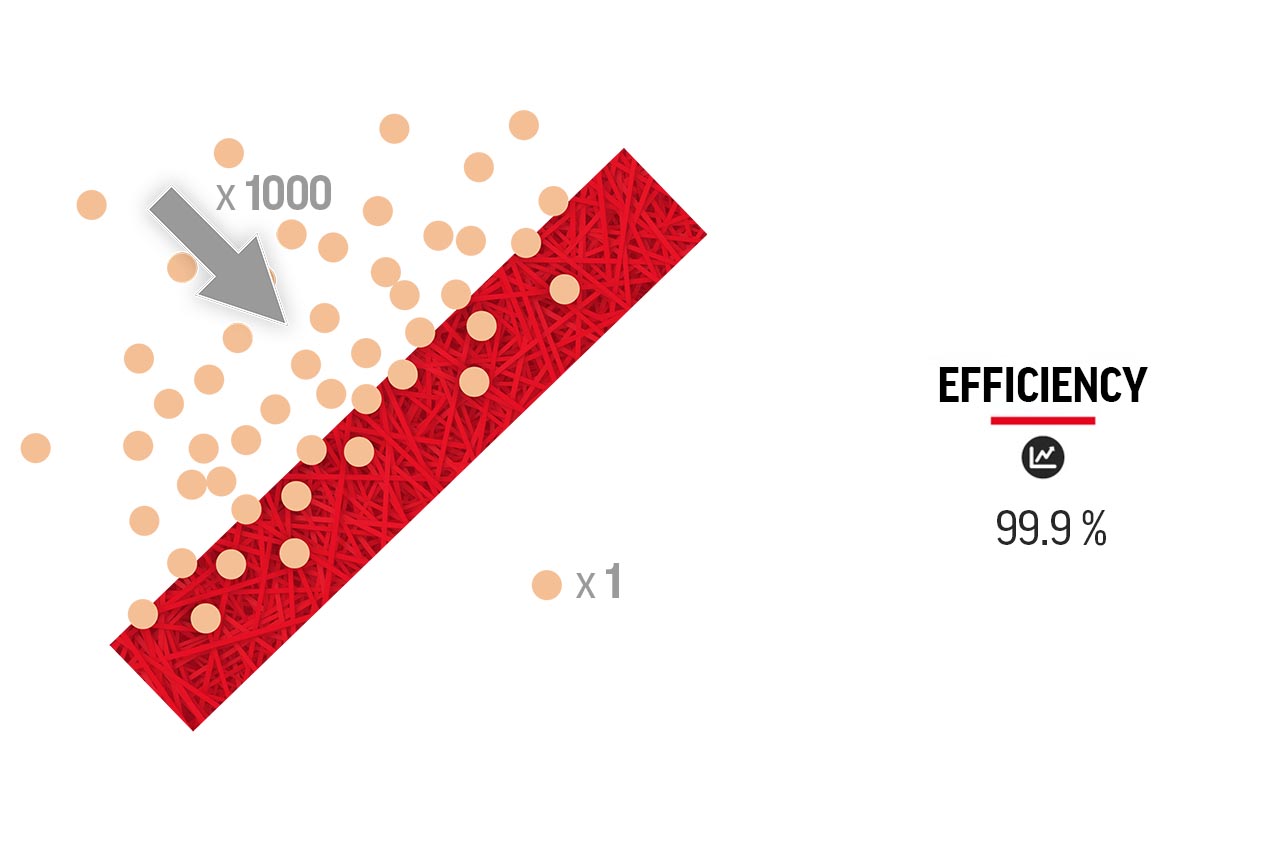
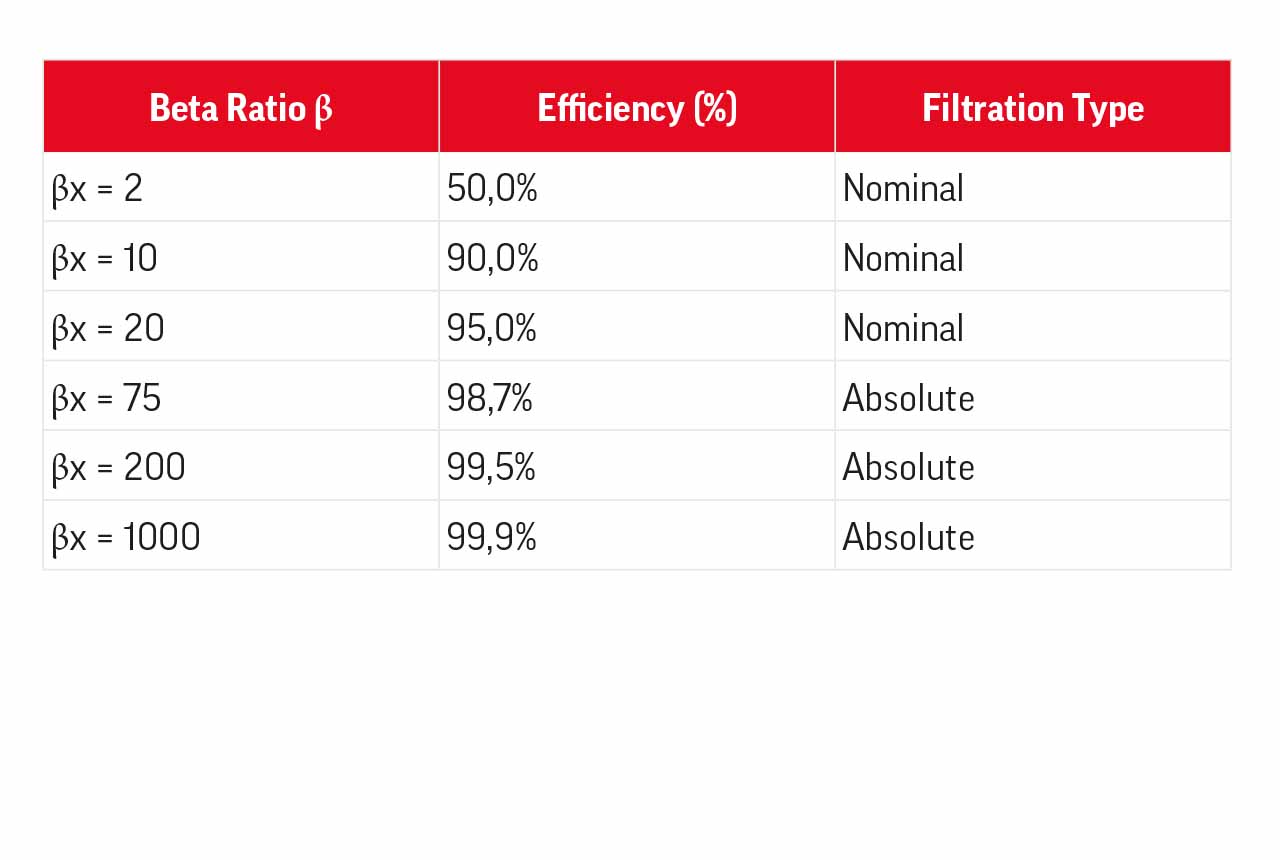
Efficiency is often measured by the beta ratio (β), which compares the concentration of particles upstream and downstream of the filter for a given size. For example, a filter with a ratio β₁₀ = 1000 means that for every 1000 10 µm particles present upstream, only one is found downstream. Therefore, the efficiency of the filter for this particle size is 99.9%. The higher the β ratio, the more efficient the filtration. * x = particle size in µm
There are two main approaches:
Nominal filtration: retains a proportion of particles of the specified size, generally with an efficiency of between 60% and 98%. Suitable for pre-filtration or non-critical applications.
Absolute filtration: guarantees retention of at least 99.98% of targeted particles, according to standardised test methods. Used in applications requiring a high level of purity (pharmaceuticals, electronics, sensitive food processing, etc.).
Service life and pressure drop
Over time, the particles trapped by the media accumulate:
Deep within the porous structure of the material, gradually reducing permeability.
On the surface, where they form a filter cake, an additional layer retaining particles finer than those initially captured by the media.
This clogging, whether deep down or on the surface, increases the resistance to the passage of the fluid, which causes an increase in the differential pressure (ΔP) between upstream and downstream of the filter. When the ΔP reaches the critical threshold defined by the manufacturer or by the process, the filter must be replaced or cleaned. Some media can therefore be washed and regenerated, extending their life without compromising their performance, as long as they are cleaned properly. Regular monitoring of the ΔP, combined with the use of maintenance indicators, is essential for planning replacement or maintenance, limiting unplanned shutdowns and maintaining filtration quality.
🔎 Reminder: Pressure loss and differential pressure, not to be confused!
Pressure loss: corresponds to the reduction in pressure experienced by a fluid as it flows through a system (pipes, valves, filters, elbows, etc.). In the case of a filter, it increases progressively with clogging, as the particles retained slow down the flow more and more.
Differential pressure (Δp): in filtration, this term is mainly used to designate the difference in pressure measured between upstream and downstream of a filter.
Δp: mathematical symbol for differential pressure (Δ = delta = difference, p = pressure).
At HIFI FILTER®, we know that the performance of a filtration system depends on the choice of the right media, adapted to each application, environment and industrial constraint. That's why we put our technical expertise, our wide range of solutions and our personalised support at the service of all sectors, even the most demanding. Because a good filter is good. But a good partner is better. Contact our experts for tailor-made support 👇
Biogas is a renewable gas produced by the anaerobic (oxygen-free) digestion of organic waste, mainly from the agricultural, agri-food and municipal sectors (slurry and manure, agri-food residues, sludge, bio-waste, etc.).
Workers in the cabs of tractors or self-propelled sprayers remain vulnerable if they are not adequately protected against toxic inhalation. To limit their contact with plant protection products, European standards 15695-1 and 15695-2 have been created.